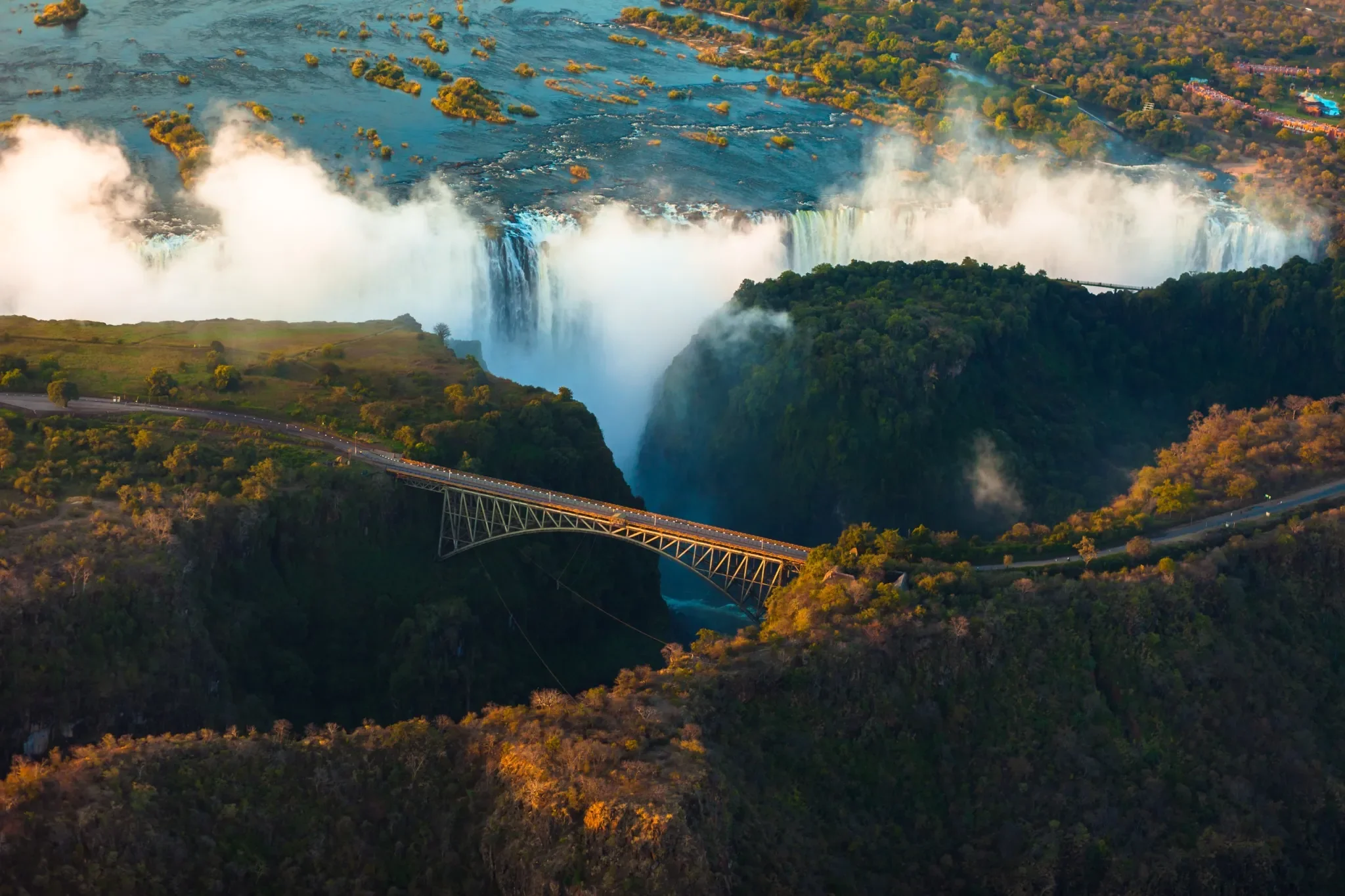
The Great Migration, Month by Month: A Year in Motion
Month by Month: A Year in Motion
The Great Migration is not a single scene. It is a year that changes shape as it moves. One month, you stand on short grass while new calves learn to balance. Another you wait on a riverbank as wildebeest test the water. Later, you watch males clash during the rut along a line of kopjes. The same plain in January and in July behaves like two different worlds. That is why there is always a good time to go, as long as you match your dates to the right place.
At NOMARA Africa Travel, we design around that movement. If your window is fixed, we pair you with the region that makes sense for that month. If you are flexible, we help you choose between big herds and wide horizons, quieter corners with fewer vehicles, or immersive time in migrational camps that follow the action. The goal is simple. Put you where the story is, and give you time to watch it unfold.
January to March: Calving Season on the Southern Plains
By late January, the herds settle on the short-grass plains south and east of the Serengeti, toward Ndutu and the northern Ngorongoro Conservation Area. This is calving season. Over a few weeks, hundreds of thousands of calves drop, stand, and stumble into life. Predators focus, especially cheetah and lion. It is the first chapter of the year, full of energy and risk.
What your days feel like: Early starts, long light, and patient waits on open country while your guide reads distance and wind. Full-day outings make sense because the story can turn in a moment. Where walks are permitted, morning loops teach you to read the signs on the ground and approach with care.
Where to stay and why: Southern migrational camps put you close to the action, with king-size beds, big canvas, and that fire-to-table feeling at night. Ubuntu Migration Camp and Olakira Migration Camp are set up in the south to catch calving and the predator action that follows, while a permanent camp like Dunia works well as herds begin to push north.
April to early June: The Trek North and the Rut
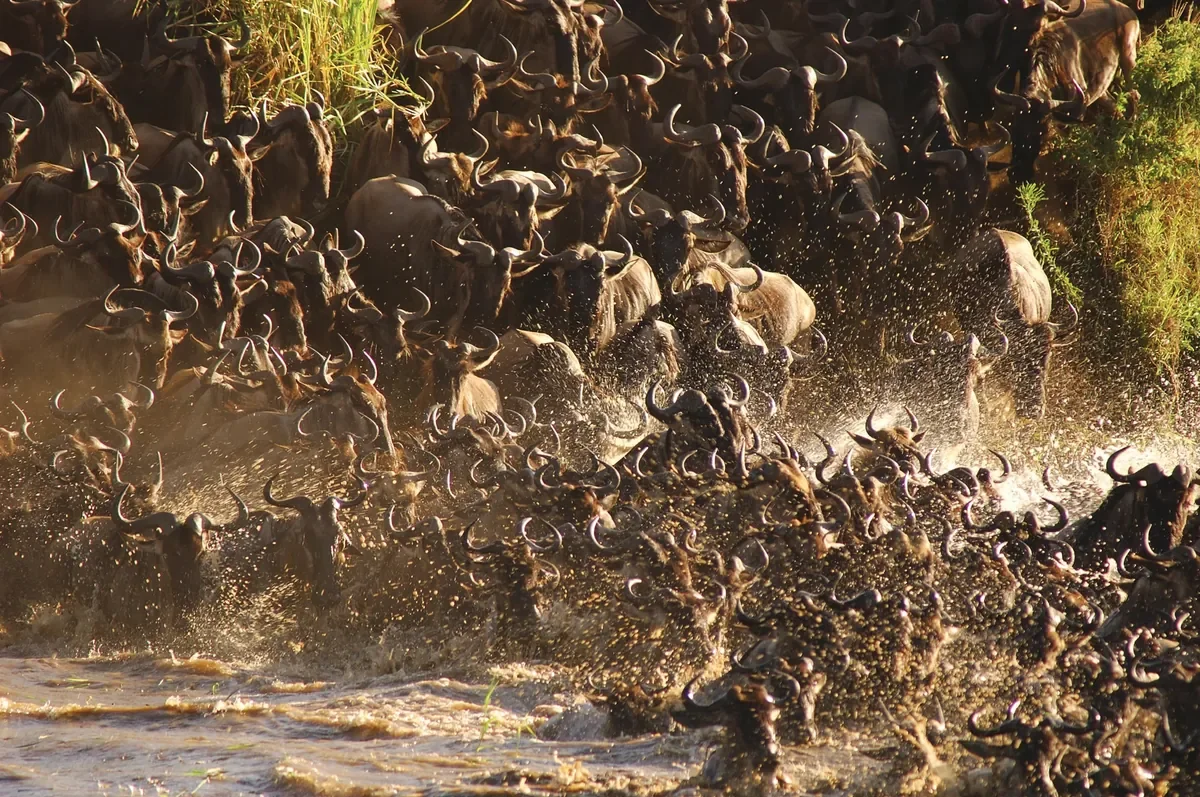
As the long rains ease, the herds begin to drift north and west. Columns stretch for kilometers, grazing as they go. By late May, the rut kicks off, and males clash as the march continues. This is the time many travelers overlook the Western Corridor and the Grumeti River, which is a pity. First river tests often happen here in June, with huge crocodiles holding to deep pools. It is dramatic, with far fewer vehicles than later in the Mara, and rates are friendlier.
What your days feel like: Long, exploratory drives through central and western grasslands. Shifting weather and rich skies. Quiet time at Grumeti pools to let the scene come to you. When you find the rut, you can stay with a group and watch behavior rather than rush between vehicles.
Where to stay and why: Dunia sits well for central movements in April and May. For the west, consider Usawa Western Corridor, Mila Tented Camp, and Simbavati Musabi Plains. We often pair the west with a few nights in a migrational camp that is repositioning north so you keep step with the herds.
Late June to October: Northern Drama, From Lamai to the Mara
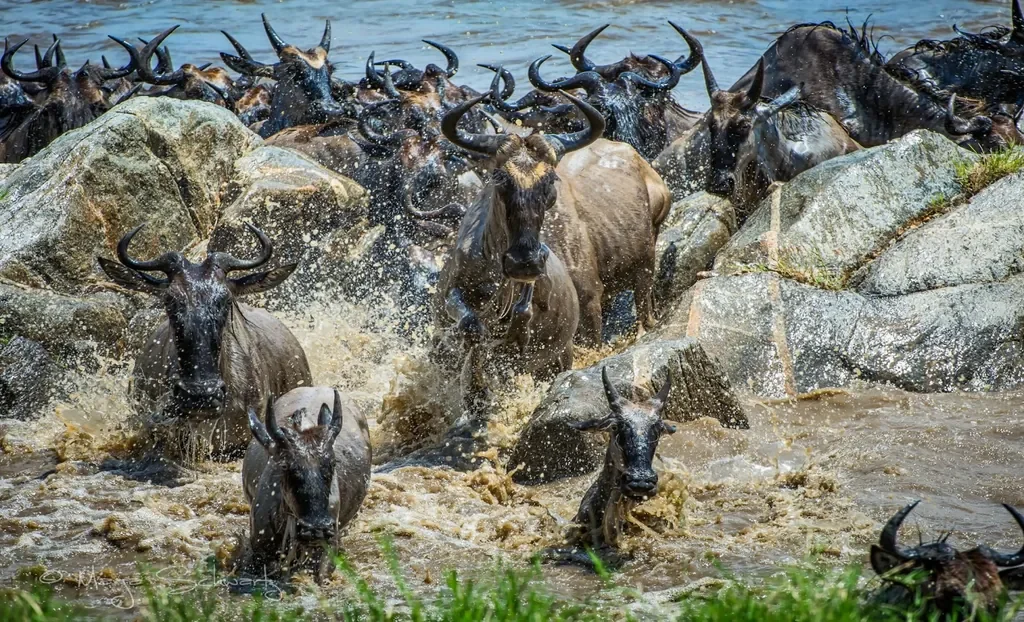
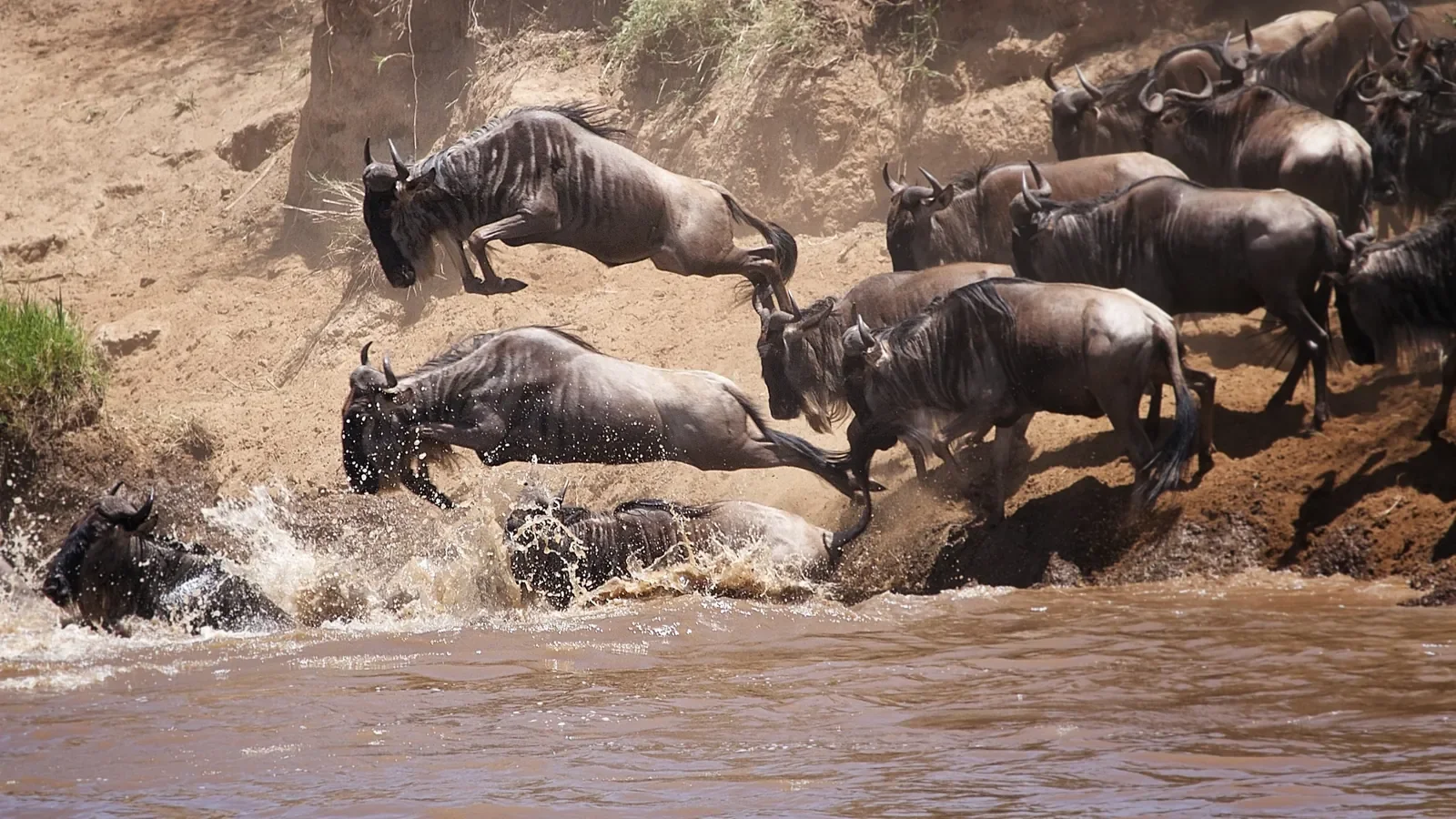
By late June and into July, momentum builds toward the northern Serengeti and the Kenya border. This is when the famous Mara River crossings begin, though timing always depends on the rains. The herds spread across Kogatende and Lamai on the Tanzania side, with others pushing into the Masai Mara in Kenya. Crossings happen in many places, sometimes a handful of animals, sometimes a surge that lasts for hours. The scene can repeat for weeks as herds shuttle back and forth looking for grazing.
What your days feel like: Early river checks, then patient time on banks with guides who understand reading points and etiquette. You may wait with engines off and radios quiet, then move quickly when a line forms. Full-day vehicles with shade and packed lunches are the norm. On non-river days, you work ridge lines and rolling country for lions and cheetahs shadowing the herds.
Where to stay and why: We often split time between the Lamai triangle in northern Serengeti and a conservancy or the Reserve in the Masai Mara. On the Tanzania side, Sayari sits close to well-known crossing points and keeps you in the thick of it without the busiest Mara crowds. Mobile camps like Olakira and Ubuntu shift north to keep you near the action. In Kenya, Rekero overlooks the Talek, while Naboisho and Encounter Mara in the Naboisho Conservancy offer superb big-cat viewing with stricter vehicle limits and a calmer feel.
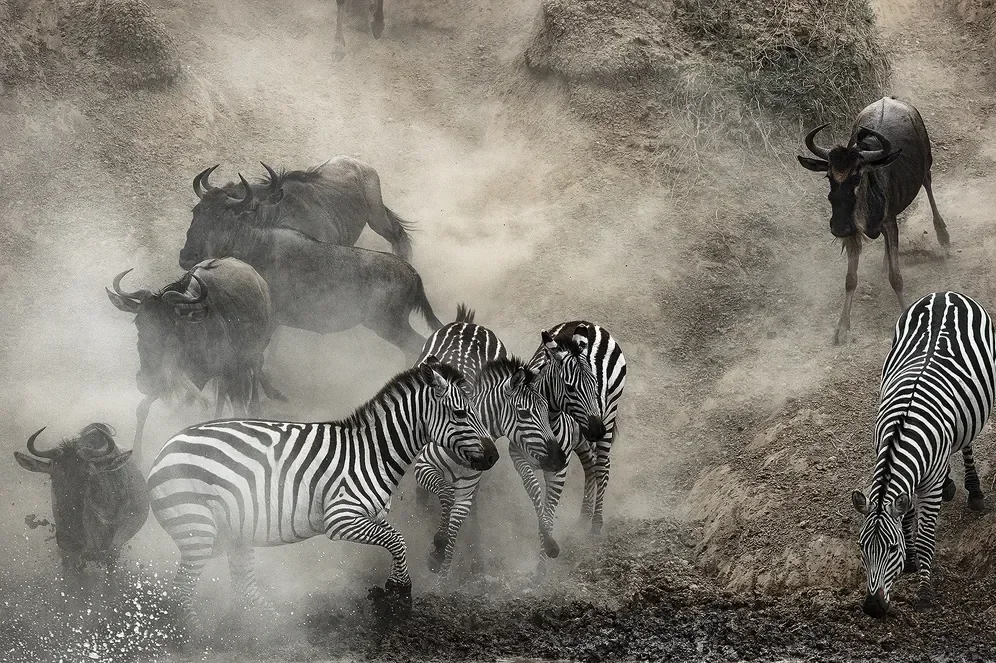
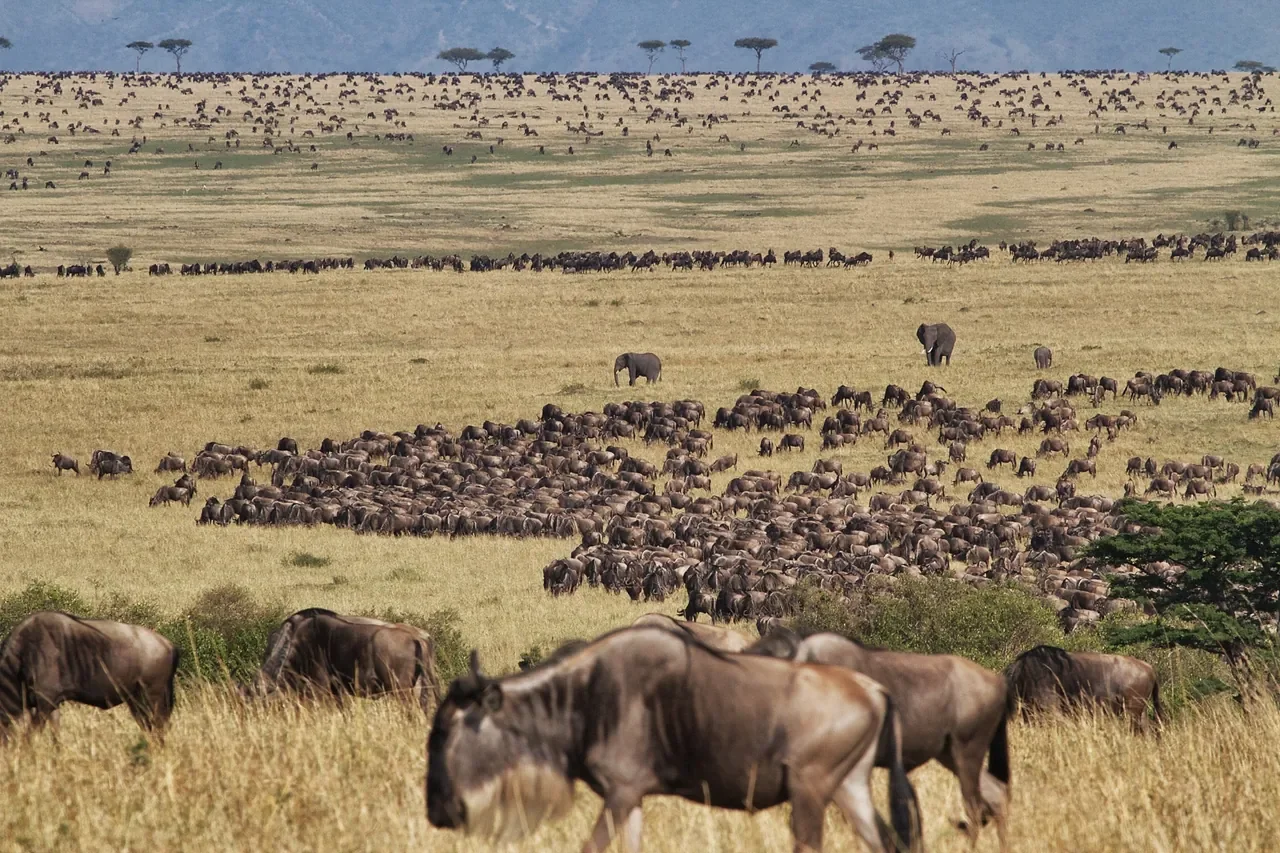
A note on pressure and privacy: The northern Serengeti is vast, with multiple crossing sites and wide country to spread into. Choosing the Lamai side can give you classic crossings without the densest traffic, and smart routing keeps time at crowded hotspots to a minimum. Some of our hand-picked northern camps aim to keep you close to the action and away from crowds, which matches how we plan your days.
November to December: The Long Arc South
When the short rains arrive, the herds begin to flow back into Tanzania from Kenya and track south along the eastern side of the ecosystem. This is when Namiri Plains becomes a favorite for cheetah as grasses flush and resident predators work the edges. By December, the herds gather again on the southern and eastern plains, heavy with calves, and the cycle resets.
What your days feel like: Fresh green after rain, dramatic skies, big flocks of birds, and fewer vehicles than peak months. Morning light on new grass is beautiful for wide-angle work. Drives can be long and quiet in the best way, with bursts of intense action when you find a cheetah or a large mixed herd on the move.
Where to stay and why: Namiri Plains for the east, and migrational camps in the south as we move back toward calving grounds. Permanent bases feel lively again as the holiday season approaches.
What “Accommodation Type” Really Means Up North, East, South, and West
Permanent lodges and tented camps
Year-round locations with full services, generous suites, and often a pool or spa. In central and northern Serengeti and in the Mara, permanent bases give stability and fast access to nearby sectors. This suits travelers who prefer a strong room-based experience and a set location.
Migrational camps
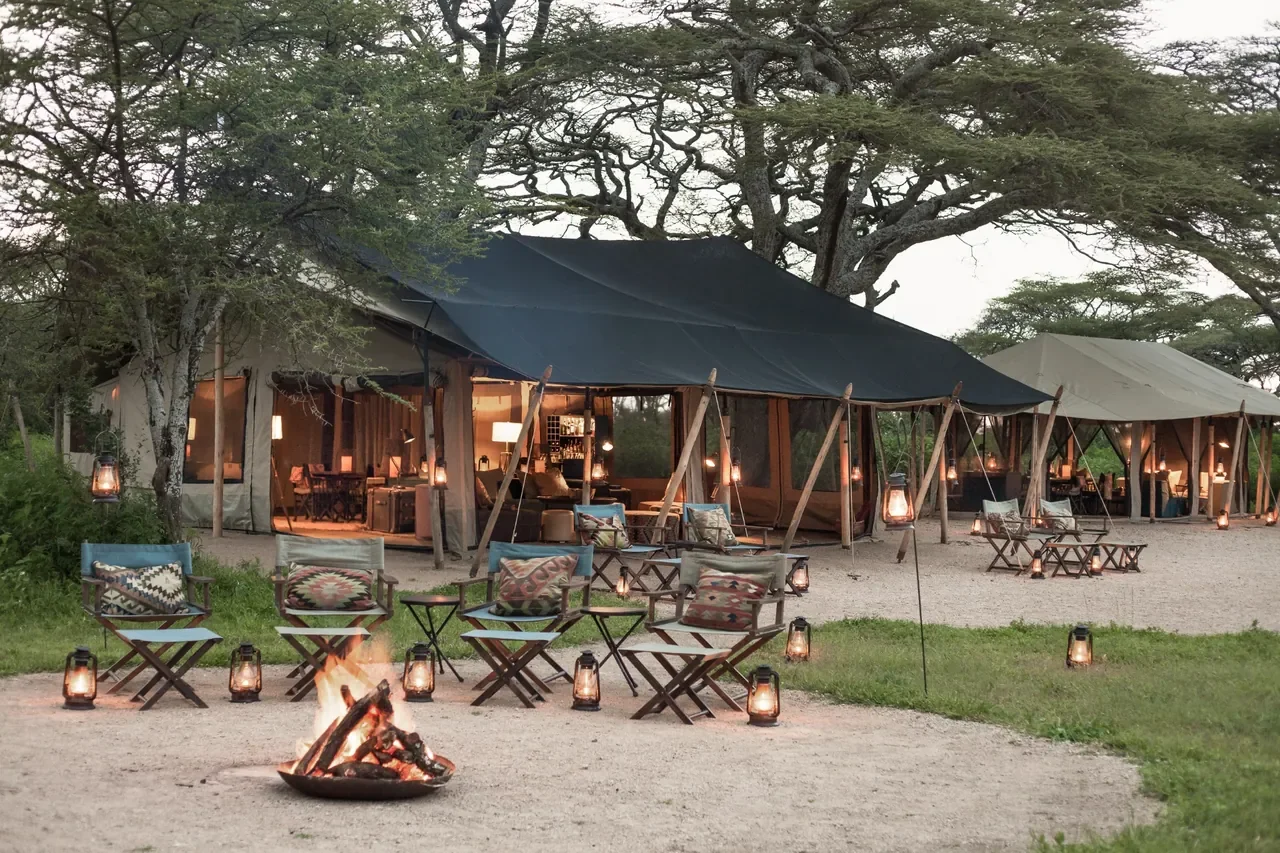
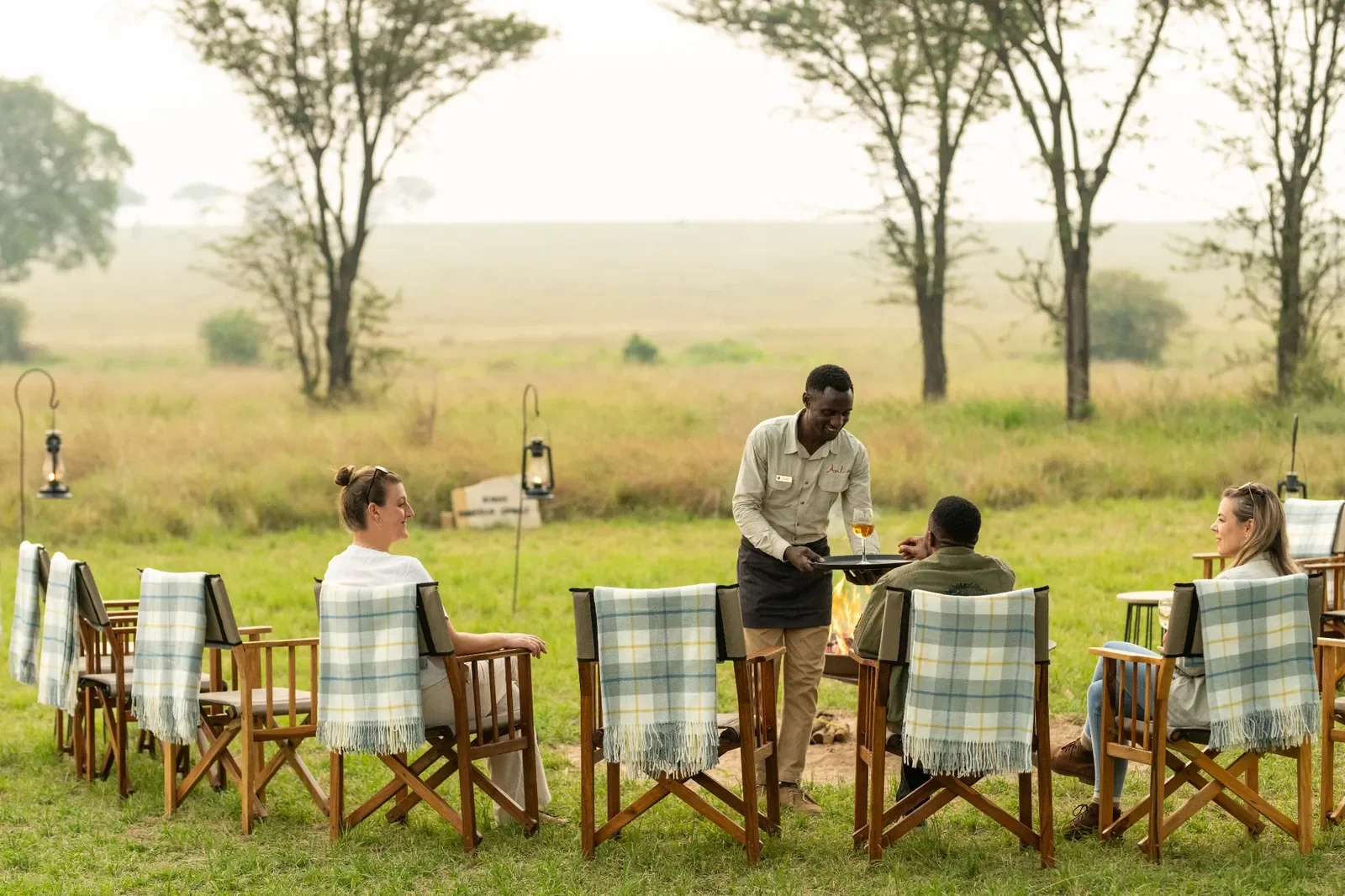
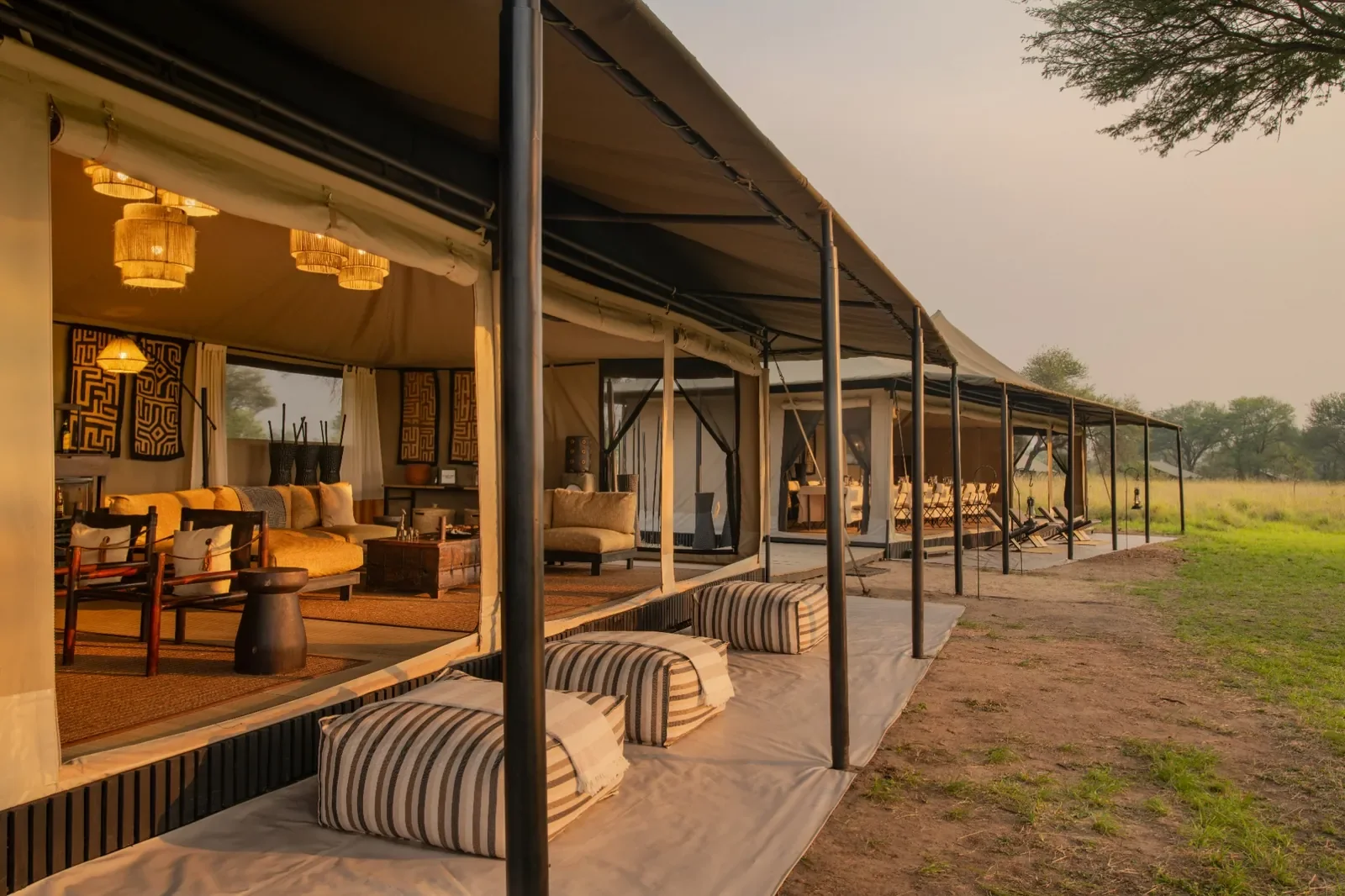
Specialists that move two or three times each year. They set up where the action is, then shift as the herds move on. The feel is immersive and comfortable rather than showy, with king-size beds and quality linen, good wine and fresh food, and warm bucket showers. Central mess tents with deep chairs face the savannah so you do not miss a thing. Olakira and Ubuntu are good examples, placing you in the south for calving and up in the north for crossings when timing calls for it. Sayari anchors the northern period as a permanent camp close to the river. Dunia covers the central chapter well, then links easily with the west or north.
Western Corridor stays
Perfect for May and June, the low-season sweet spot with fewer vehicles, strong value, and Grumeti crossings when the year runs on time. Options include Usawa Western Corridor, Mila Tented Camp, and Simbavati Musabi Plains. Ideal for travelers who prefer space and patience to headline crowds.
Mara Reserve and conservancies
The Reserve delivers iconic river bends and open grassland scenes. Neighbouring conservancies limit vehicle numbers and allow a broader activity set, including night drives and guided walks. This mix is helpful when you want varied days during peak months.
Activities Beyond the Vehicle
Full-day game drives
Essential in the migration months. Breakfast and lunch are packed so you can wait with a cheetah, follow a column, or stay on a likely crossing bank. Guides manage shade, water, and timing so the day keeps its shape.
Walking
Changes the scale of your safari. In the southern and central sectors, where rules and terrain allow, morning walks let you study tracks and behavior at a slower pace. In the Mara conservancies, guided walks and occasional trail runs with Maasai athletes are possible and safely supervised.
Hot Air Ballooning
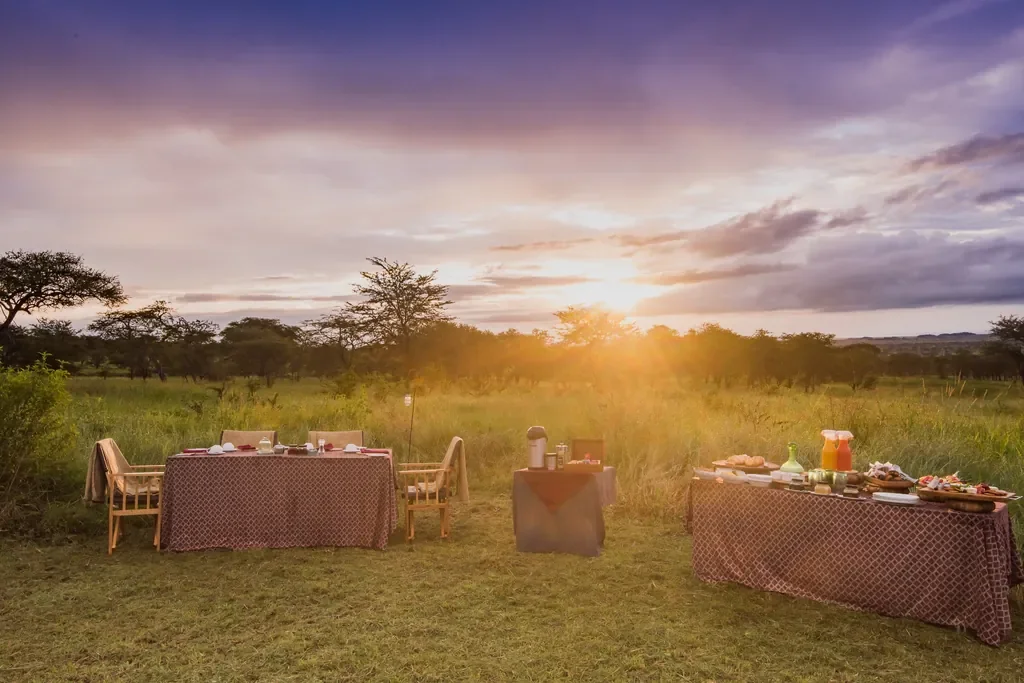
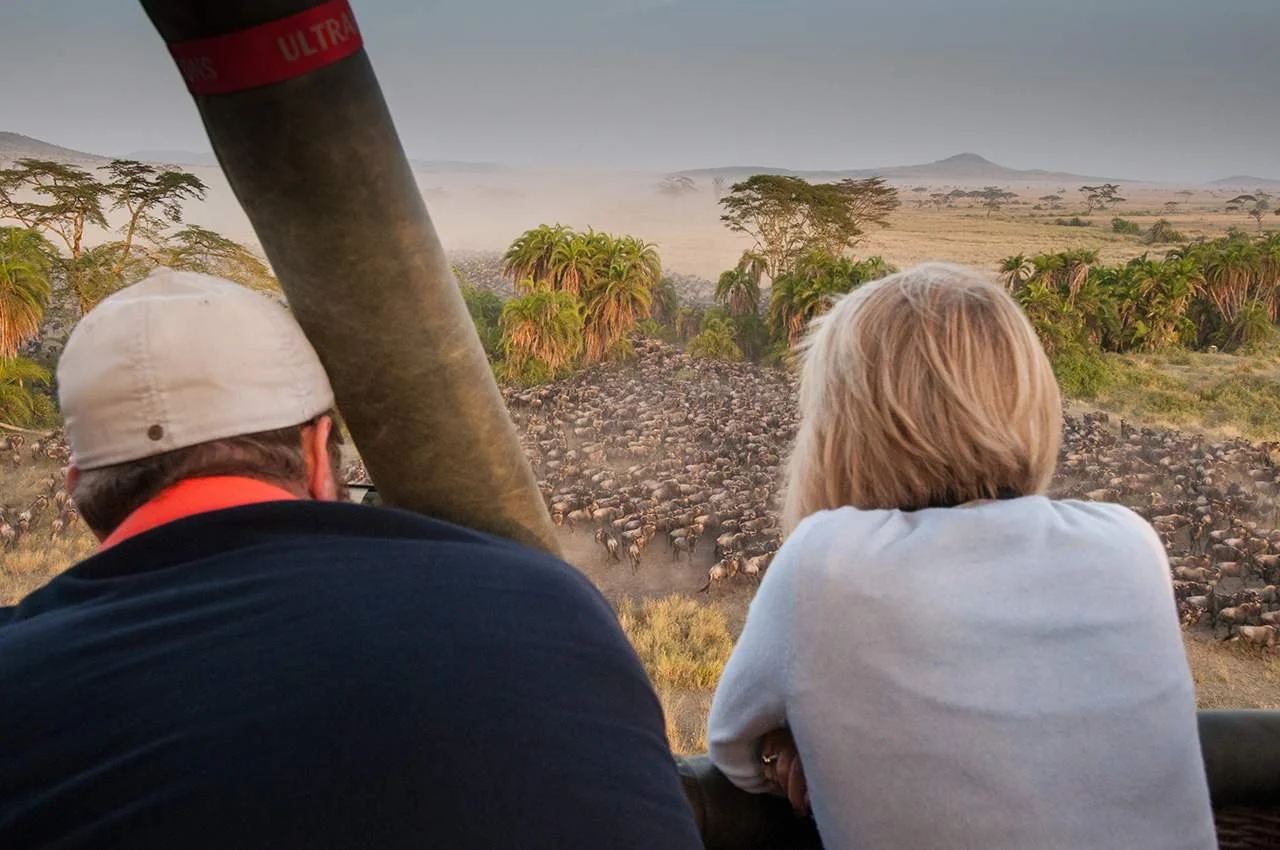
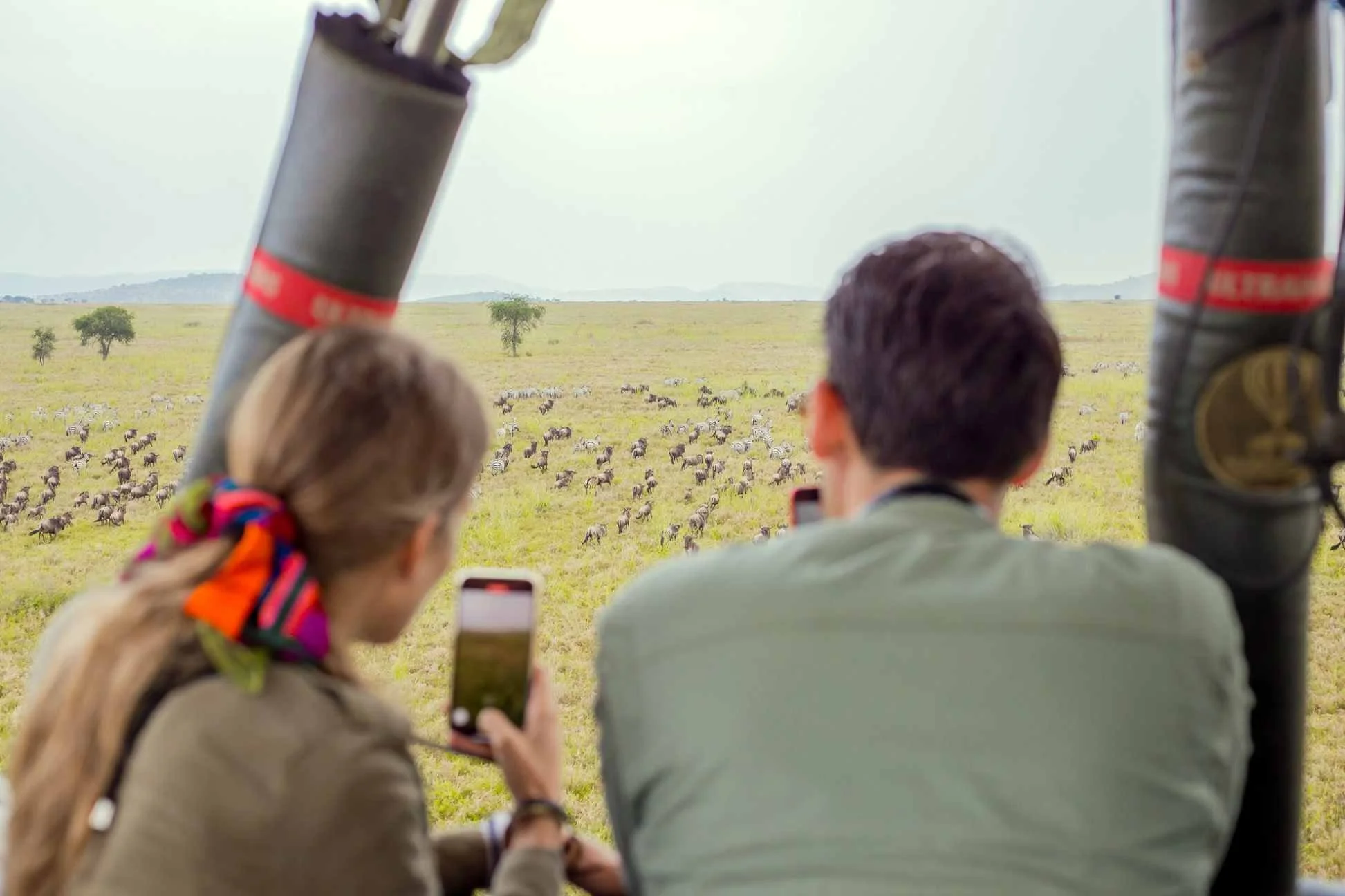
A gift at dawn over the Serengeti or the Mara. You rise as the first light touches the plains, watch giraffes step in slow rhythm across the grass, then land for a bush breakfast in the wild before heading back to camp.
Culture with Care
Visits are arranged with guides who know the families, explain how tourism supports projects, and keep groups small so time feels genuine rather than staged.
Fly Camping
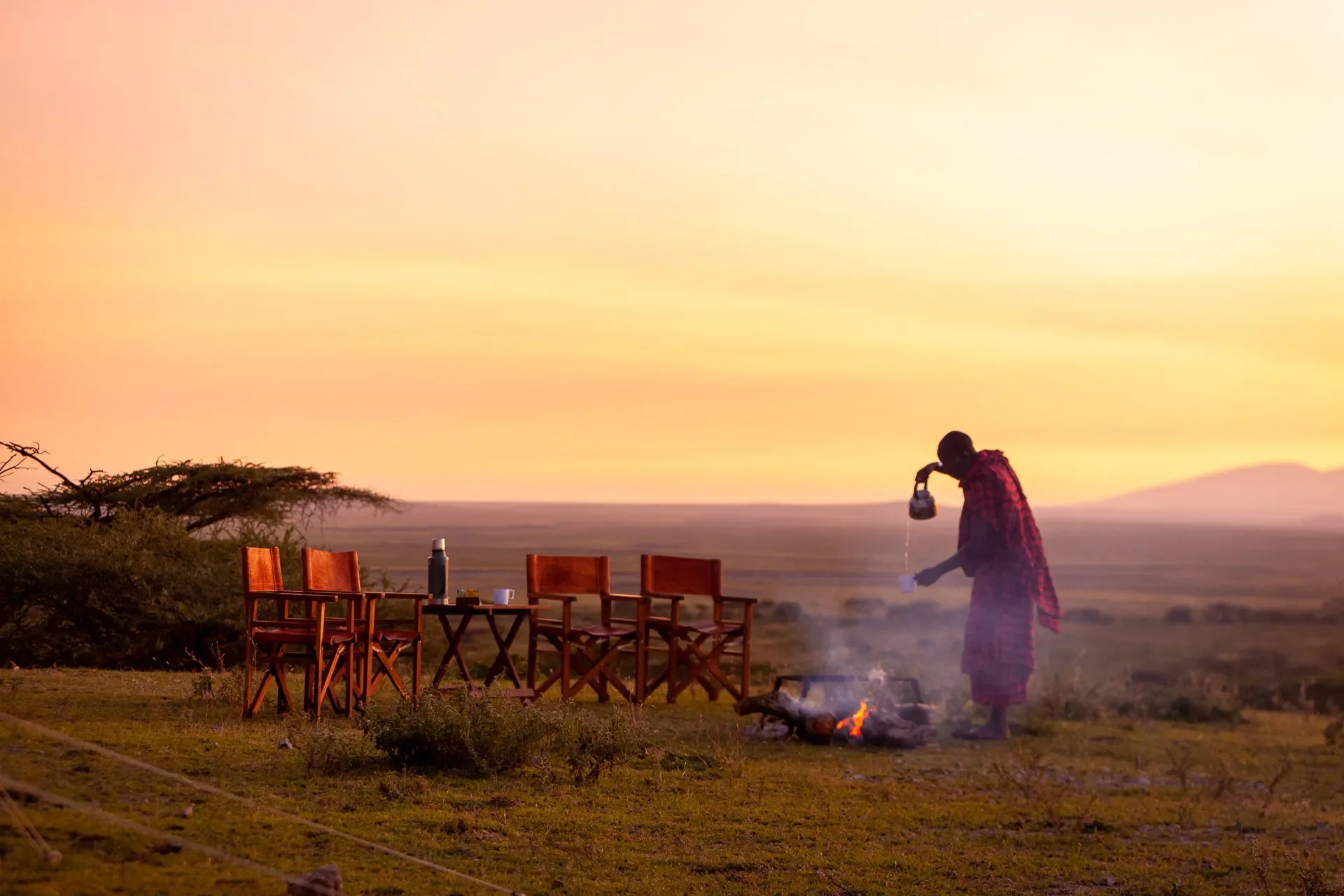
A favorite in the South with Alex Walker’s Serian. You leave the main camp for a simple, safe night out with canvas and a net. Supper by the fire, stories from your guides, then dawn birds and hot coffee before the world wakes.
How the Rains, Rates, and Camp Calendars Shape Your Trip
Two patterns matter most. Long rains tend to fall from March through May. Short rains often arrive around November. These patterns move the herds and also shape camp openings. Several mobile or remote camps pause in April and May and return with drier ground in June, while northern and central bases stay open and active. If you are set on a particular camp, a balloon flight, or a sleepout, plan early, because prime rooms during crossings and holiday weeks sell out far ahead.
Pricing follows the calendar. Peak months around crossings and the festive season carry the highest rates. April, May, and early June in the west and central are often priced lower and come with fewer visitors. You trade a little weather risk for space, value, and beautiful photographic conditions.
What To Expect, Practically
Vehicles and timing: In peak months up north, private vehicles give you the freedom to wait for crossings without compromise. In shoulder and green months, shared vehicles work well because days are calmer and guides can linger.
Photography: Expect dust in July and August, and occasional showers in April and November. A beanbag and a simple rain cover help. Wider lenses than you expect are useful for sweeping herds.
Pace: Pair a migrational camp with a permanent base so you experience both immersion and comfort. Three or four nights per location is ideal, which makes two or three bases a sweet spot for a deep, unhurried trip.
Balance: For a quieter chapter inside a busy month, work the Lamai triangle in Tanzania or a Mara conservancy for slower mornings and flexible activities, then add one or two focused river days.
Is Migration Guaranteed?
No, and any operator who tells you otherwise is overselling it. The migration is driven by rainfall, and rainfall in East Africa doesn't follow a fixed schedule. The herds move when the grass tells them to, not when your flights are booked.
What this means in practice. The broad seasonal patterns, Tanzania in the dry season, Kenya from August onwards, hold true year after year. But the exact timing of a river crossing, or whether the herds are in your camp's corridor on a given day, is never certain.
This is why experienced guides matter. Nomara's partner camps are positioned to intercept the migration based on real-time scout reports, and your guide will adjust each day's itinerary around where the herds actually are.
If you need a guarantee, the migration is not for you. If you can embrace the uncertainty, it's the most extraordinary wildlife spectacle on earth.
How Long Should You Spend?
Minimum: 4 nights in one location. Less than that and you're spending your best hours in transit.
For the Serengeti calving season, 5–6 nights give you time to track the birthing grounds properly as herds spread across the southern plains and daily positions shift.
For river crossings in the Mara, 5–7 nights is the sweet spot. Crossings don't happen on demand. You may wait two days and then witness three in an afternoon. The camps that position you closest to the known crossing points reduce that waiting time significantly.
If you're combining locations, for example, Northern Serengeti in July or Masai Mara in September, build in a travel day between each and aim for 5 nights per location. A 10–12-night trip is the most common structure for clients who want genuine depth rather than a tick-box experience.
A Simple Month-by-Month Snapshot
Jan to Mar: South for calving. Predator action, open views, long mornings. Ubuntu and Olakira in the south, Dunia as a central complement.
Apr to early Jun: Trek north and the rut. Central and west with low-season pricing and fewer vehicles. First Grumeti crossings come late May into June. Think Dunia, plus Usawa Western Corridor, Mila Tented Camp, and Simbavati Musabi Plains.
Late Jun to Oct: North for crossings. Split time between Lamai and the Mara. Sayari, Olakira, or Ubuntu in the north, plus Rekero or a conservancy base next door.
Nov to Dec: Return south via the east. Namiri shines for the cheetah. Migrational camps head back toward the southern plains.
If you found this useful, we send occasional dispatches on African travel. No noise, just the things worth knowing.
Quick FAQ’S
-
Balloon at dawn, guided walks where permitted, culture with care in the Mara, and fly camping in the south with Alex Walker’s Serian. We can also arrange photography-focused vehicles and time in hides in select areas.
-
Migrational camps move two or three times a year to stay with the herds, with king-size beds, quality linen, warm bucket showers, and fire-to-table dining. Permanent lodges offer year-round bases, larger facilities, and quick access to nearby sectors.
-
Late January to March on the southern Serengeti and Ndutu plains. Migrational camps such as Ubuntu and Olakira set up in the south; Dunia suits as herds start to drift north.
-
Yes. April to early June brings the trek north, the rut, and early Grumeti tests with fewer vehicles and friendlier rates. Consider Usawa Western Corridor, Mila Tented Camp, and Simbavati Musabi Plains.
-
Usually late June to October as herds spread across Lamai and push into the Masai Mara. We split time between northern Serengeti and the Mara to follow conditions day by day.
-
No, nature sets the timing. We increase your chances by placing you near multiple crossing points, using full-day vehicles, and pairing Lamai with the Mara.